Tags
David Bowie, eighties, fashion, fifties, forties, Gen X, Gen Z, humor, millenials, nineties, seventies, sixties
Gen Z knows what Gen X should wear, and Millennials don’t have a clue. But I have it in my closet…
I saw a story in the New York Times about generational clothing angst. Apparently Gen Z wants to tell all the other Gens what’s out: ankle boots, cross-body bags, anything tucked into anything, skinny jeans (influencers are “personally offended” by them). And of course they know what’s in: wide-leg trousers (obvs), visible ankle socks and even — conclusive proof that those who don’t learn the lessons of past clothing tragedies are doomed to repeat them— legwarmers in public. (And feathers, but I just can’t…)
Only here’s the thing. I have had EVERY ONE of these things in my closet. Many are still there. Even the odd feather or two. It made me wonder where each generation has gone so sartorially wrong. Consider:
1940s.
[Image credit: Bygone Theater]
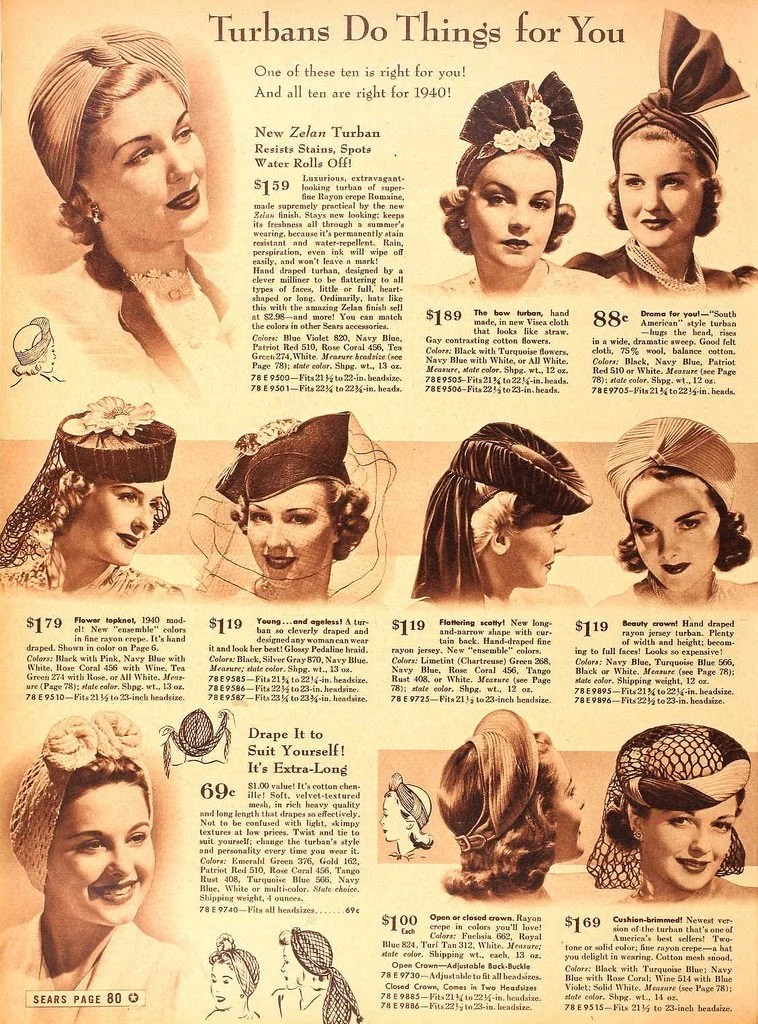
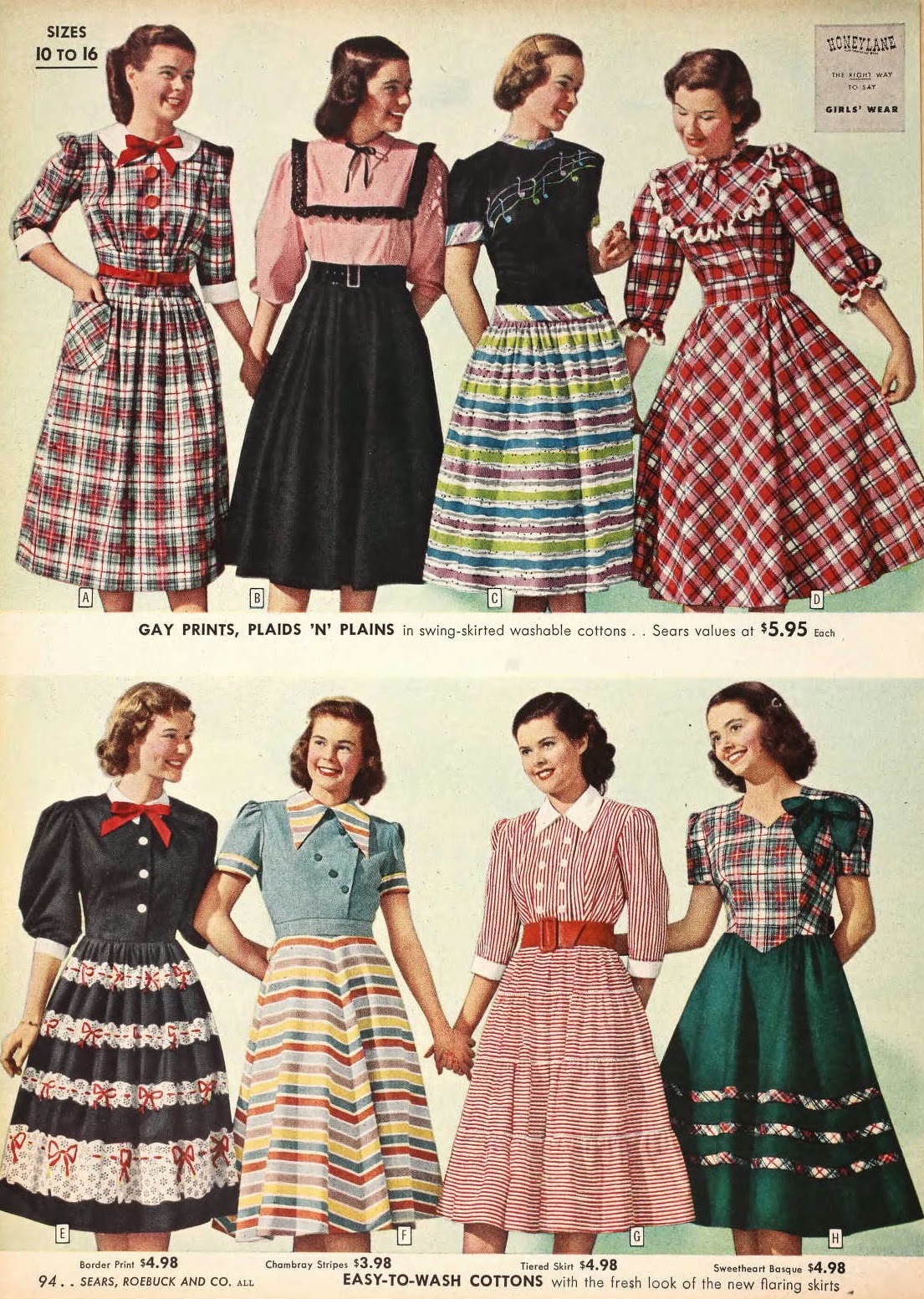
My mother was Gen WWII (born 1922 – 1927). She told me wartime rationing wasn’t so bad except for clothing, which she said was like losing a 10-year bet. And you weren’t even allowed to complain, because “there’s a war going on.” So it was dresses with puff sleeves, tight waists, and hats that made you want to enlist because even a uniform was more flattering.
[Image credit: Snapped Garters]
1950s

[Image credit: Etsy]
I wonder if my mother changed her opinion of 1940s fashion once she realized she would spend the next decade, the 1950s, wearing maternity dresses made by Omar the Tentmaker out of 75 yards of black polyester with a contrasting bow at the neck.
Sadly neither she nor her growing number of daughters (eventually there were eight of us) escaped the fifties unscathed. She kept two stacks of little hats, wool berets for winter and woven straw for summer. The wool hats were scratchy, but that was nothing compared to straw hats whose little elastic chin bands served as garottes when your brother sat behind you and pulled your hat back from your head before releasing it. And even that couldn’t begin to compare to the torture that lived in a drawer of the coat closet. It was full of little white gloves, which somehow never quite matched and often were both for the same hand so you had to yank one on backwards. Then you had to spend the upcoming hours incarcerated in hat, dress, and patent leather shoes WITHOUT GETTING YOUR WHITE GLOVES DIRTY. White gloves are one of those forgotten life skills women my age had to master, along with high heels and not burping or farting in public.
1960’s

These are not my actual hippie jeans, which my college roommate eventually threw into our building’s incinerator in what she insisted was a mercy killing. [Image credit: Collectors Weekly]
During next decade, the sixties, I and my fellow Gen Boomers (born 1946 – 1964) grew up. Omar’s clients got polyester maternity pants with stretch tummy panels. My mother (who was only halfway through the roughly 7.5 years of her life she spent pregnant with her ten kids) wistfully showed me pictures of an anorexic model named Twiggy wearing baby doll dresses that didn’t seem much different from what my mother pulled onto the baby sister du jour.
But I was luckier. Like the flower children up in San Francisco, I got tie-dyed clothes and love beads, pegged (skinny) jeans, and flowers in my hair. At least, that was the clothing I tried to sneak into as soon as that last bell rang at Our Lady of Plaid and I could stuff my uniform into my backpack.
1970s
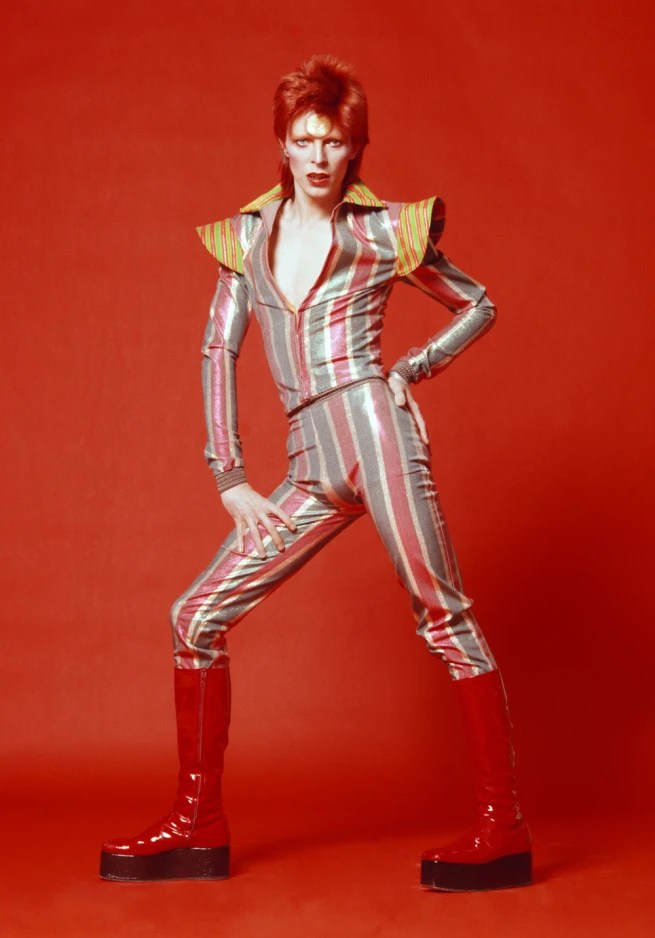
David Bowie’s Ziggy Stardust: the seventies only fully successful mullet.
[image credit: photographer Masayoshi Sukita ]
Our teachers told us girls that we should be doctors, astronauts, construction workers: anything but mothers. Omar opened a chain of Quiche Shops along the coast.
I slit my pegged jeans to the knees and lined them with neon bandannas to make bell bottoms. These I covered with so many appliques and embroidered patches there was very little denim left. But there was worse to come. I had dresses so short I had to practice bending from the knees. These were accessorized with a floppy newsboy hat, a boyfriend with facial hair who played (bad) guitar, and a VW Beetle so ancient it lacked a gas gauge and could only go uphill in reverse, which made those trips to visit the hippies in San Francisco doubly exciting. But none of that mattered because it had a convertible top, the only de rigueur necessity for a California teen.
But even I had to admit, looking around at seventies fashions, that things were dire. My facially-hirsute boyfriend took to wearing shiny shirts with massive collars. My friends’ fathers humiliated themselves by appearing in plaid shorts or even worse, polyester leisure suits. My best friend only wore black, with safety pins piercing every part of her face from cheeks to lips to eyebrows. Her boyfriend had so many safety pin piercings with little chains connecting them that he jingled whenever he moved. He wore a leather motorcycle jacket with the logo across the back from Our Lady of Sorrows, the Catholic high school across town — a red heart with swords through it. But this admittedly sexy look was ruined as soon as he took off his motorcycle helmet to reveal: the mullet.
Nothing could have prepared us for the ultimate fashion disaster that was the mullet. Oh sure, rocker Joan Jett pulled it off. And of course, Paul McCartney could have worn any hairstyle. But the only being on the planet who could make it all look beautiful was David Bowie. And really — once you’ve seen his Ziggy Stardust, who would even try?
1980s
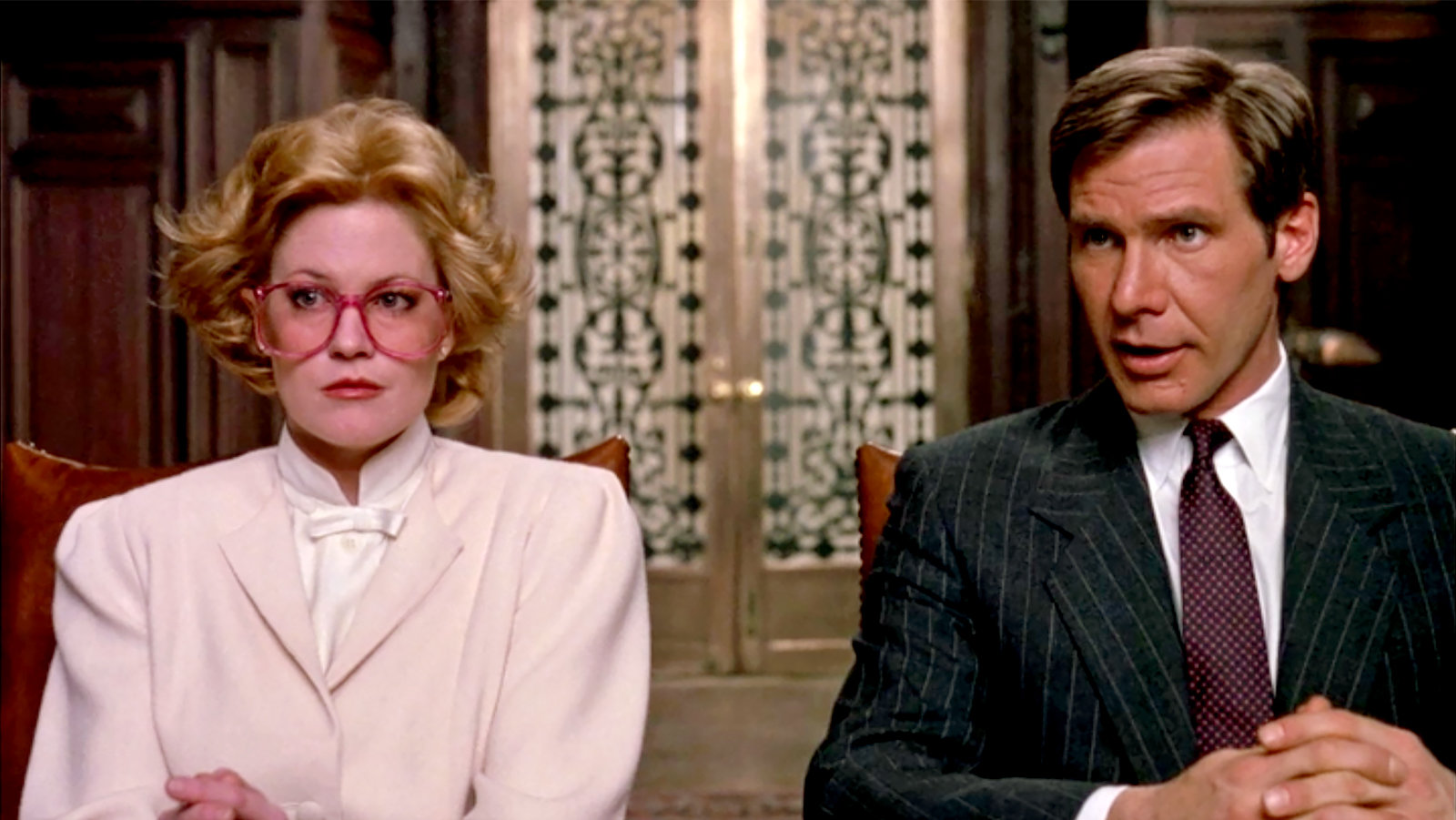
We’ve got the career girl shoulder pads, blouse with tie, enormous glasses that Bozo the Clown wanted back, big hair, serious job… Wasn’t there something else we were supposed to check off? [Image credit: Melanie Griffiths in Working Girl, 1988]
My younger Gen X siblings (born 1965 – 1980) made fun of our Boomer work ethic. But my fellow Boomers and I put on our power suits with shoulder pads wide enough to have their own zip codes, permed up our big hair, and donned our enormous-framed serious eyeglasses. We had careers instead of jobs because we were supposed to Have It All. After work, we went to the gym wearing neon spandex with matching headbands and (I’m very sorry to say) leg warmers. Then we put on our little black dresses with the boxy shoulder-padded jackets, went clubbing, and made regrettable sexual decisions, often involving mullets and people who were not David Bowie.
Then the biological clock’s alarm sounded. Suddenly, our professional jobs, apartments, cars, and size 7 wardrobes were meaningless. The only status symbol that counted was stretch marks. Omar started a catalog of maternity tents for professional women (made out of 75 yards of black polyester with contrasting neckties and boxy jackets). Thanks to the glow of pregnancy, people assured me that even though I looked like a Volkswagen in a black tent with a contrasting bow at the windshield, I had never looked better.

David Bowie, of course, looked beautiful and he didn’t even have to throw up for nine months, get stretch marks, or an episiotomy.
1990s
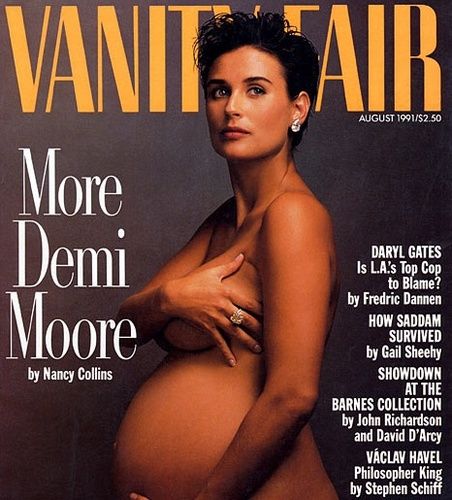
No tent with a neck-bow for Demi!
The nineties are kind of a blur to me, so I’m not sure exactly how this happened. One minute I was a sophisticated, independent career woman who used four-letter words and alcoholic beverages in public. A moment later I spawned and all of a sudden my mother took up residence in my mouth.
Omar moved to the Valley and managed a couple of Airbnbs. But this time when I got pregnant, I didn’t miss him because pregnant bellies were now a fashion statement and lycra was my new best friend. Despite dark warnings from other moms that the leggings-and-big-shirt look was a slippery slope leading to elastic waist mom jeans, I embraced the comfort and tried not to think about the day when I’d have to give up the flannel shirts and get back into the suits.
My two older daughters were humiliated by my wardrobe deficiencies. I tried to tell them I was sporting the new, energy-conscious environmental-friendly look. [Translation: I gave up ironing two pregnancies ago, and I now only wore things with dirt on them. For evening wear, this ensemble was often accessorized with a splash of eau d’baby puke.] But they insisted it was an emergency and we had to go to the mall immediately.
I’m not sure where they developed their fashion sense. It seemed only yesterday the best you could say for their choice of outfits was they were politically correct—equal representation for all colors, patterns, and seasons at once. The only things missing were the empty whiskey bottles and the lampshade.
I admit I’m not a very good shopper, especially when it comes to my own clothing. When I was their age, I used to dread the moment my mother would drag me to Chez Mall Énorme. “But I have clothes,” I’d wail, pointing to my jeans with the hand-embroidered patches and my crocheted vest.
“You’re not wearing patched jeans with holes in the knees to school,” my mother replied as she trapped me in a dressing room by walking out with my jeans while the saleslady with the cat glasses plied me with armfuls of tasteful polyester doubleknits.
But the shopping gene must skip generations, because my two older daughters loved to shop. Actually, this had its advantages, they assured me. I wouldn’t need to save for college for the oldest one, because she decided her career goal was a job at her favorite mall store. She already had all the qualifications: she wore a single-digit size and she could transform a basic $49.95 outfit into a $49.95 outfit with $150 of accessories faster than you can say “Visa or Mastercard”. For a store discount, she was even willing to be perky.
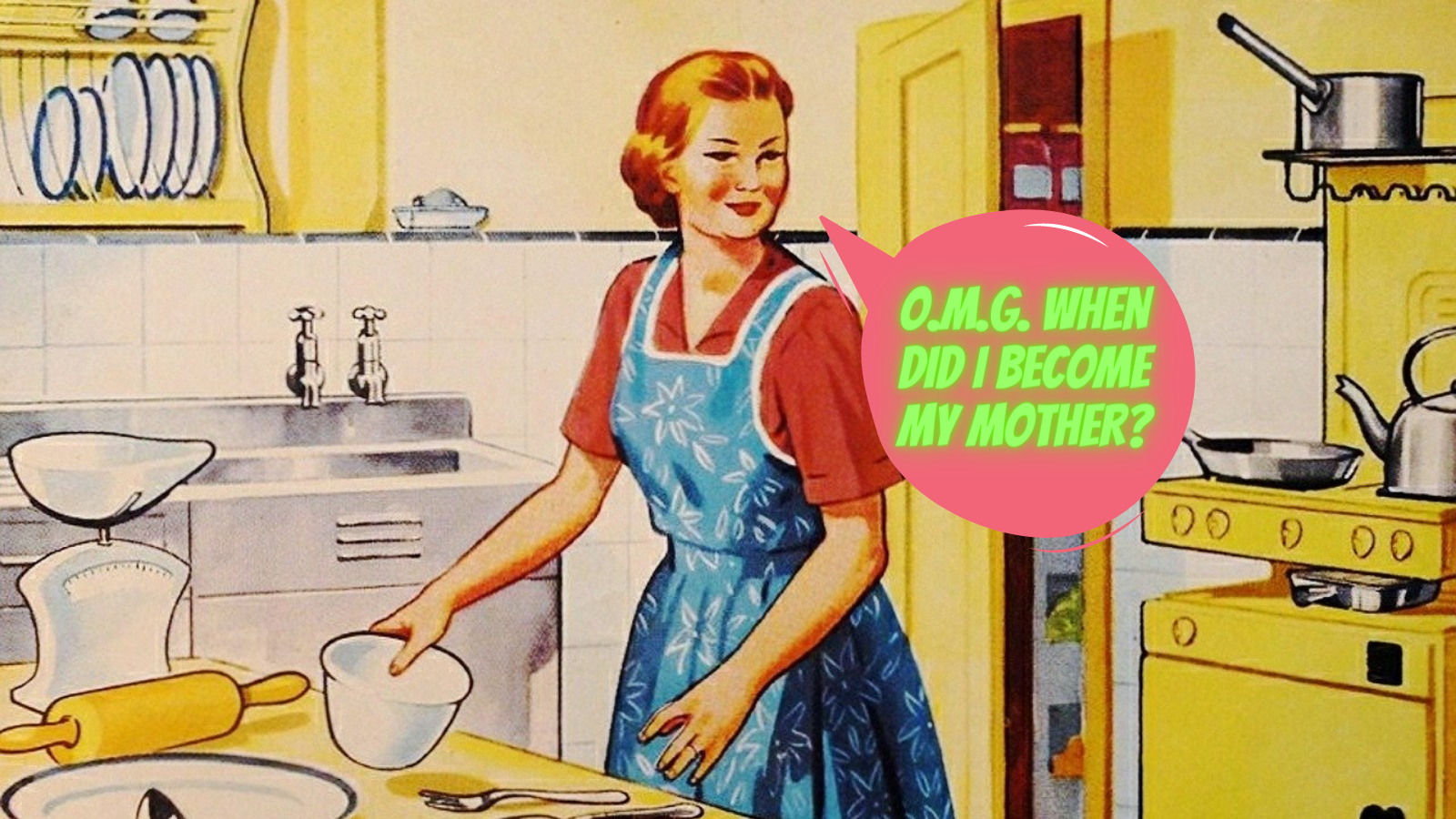
“Can I have these jeans?” Child#1 asked, pointing to a pair of jeans with patches and factory-installed holes in the knees.
And that’s where it happened. I opened my mouth, and out came my mother. “You’re not wearing patched jeans with holes in the knees to school.”
”Besides,” I added, “Kids today have it too easy. In my day, we didn’t have some worker in a third-world sweatshop to beat up our jeans; we had to wear them out ourselves.”
Just then Child#2 came out wearing a crocheted vest and a tie-dyed gauze skirt. All she needed was the lava lamp and the “Woodstock or Bust” sign.
I turned to the saleslady with the retro cat glasses. “How do you feel about polyester doubleknits?”
But I miss the nineties, I really do. Sure my Gen Z siblings wandered about in bits of lingerie they called slip dresses, thongs that showed over the tops of their low rise baggy jeans with the two-inch zippers, and rainbow-tinted sunglasses that cost more than the gross national product of a small country. But I remember it as a decade where I got to slouch around in comfortable clothing, work in high-tech companies where we had fancy coffees available in the break rooms 24/7, and drop the f-bomb in mobile phone calls with the other executives. We were the cool kids with our stock options and retirement accounts.
2000s
Somehow we made it through Y2K without world technology grinding to a halt. Next thing I knew, I was hiring Millenials (born 1981 – 1996) and Gen Z (born 1997 – 2012) was explaining how to work the TV and get the 12:00 to stop blinking on the microwave. They were smarter and cooler than I could ever be.
So I quit. I said goodbye to a frightening number of navy and black work suits and their matching shoes, moved to England, and had an epiphany.
It did not matter what any of the Gens were wearing that year, because if I was in the city, nobody who knew me would see me, so it didn’t matter what I was wearing. And if I was in the country, nobody who knew me cared what I was wearing so it didn’t matter there either.

but I don’t think David Bowie wore it this way…
So I can honestly tell the New York Times that while I’ve already got every piece of their recommended 2024 style in my closet from the last time one of the Gens recommended it, this year I’ll be wearing one of the Gen thirteenth century salwar kameez outfits I pick up in India every year. Minus the feathers.
Discover more from Barb Taub
Subscribe to get the latest posts sent to your email.
 Barb Taub
so funny, I love the articles that begin, ‘what not to wear if you are over….’ I always have all of those as well
LikeLiked by 1 person
Apparently the older you get, the better your chances of having the latest in-thingy already in your closet. Except for the leg warmers. Nobody above the age of 10 should have those…
LikeLiked by 2 people
I have to admit to having rainbow ones during my flash dance phase. Fortunate to have happened pre- cell phone
LikeLiked by 1 person
Flashdance was EXACTLY what I was thinking of. (And Jane Fonda, of course…)
LikeLiked by 1 person
Yep, with my neon pink leotard
LikeLiked by 1 person
And headband on my perm
LikeLiked by 1 person
YES! We all had these giant hunks of permed curls hanging on either side of our heads like poodles. SUCH glam!
LikeLiked by 1 person
Yes!!!
LikeLiked by 1 person
oh my – I preceded the Gen Boomers, so do I even have my own group? I’ve done a little of all of those things, but am happily settled with leggings and big shirts with a sweatshirt or two thrown in for good measure. And a few maxi dresses, but nothing ever tucked in. I’m old enough to make my own choices now.
LikeLiked by 2 people
Congratulations! That makes you a member of the Greatest Generation, those who grew up during the Great Depression and fought in World War II, or whose labor helped win it. In other words, our heroes.
LikeLike
once I stop laughing, I recognize myself too much, I’ll simply give you my own personal piece of wisdom… When it comes to fashion I don’t give a &$#@*!
LikeLiked by 2 people
You’re my fashion hero!
LikeLiked by 1 person
Hahaha! Excellent piece! I have had similar thoughts.
Yesterday I saw a pensive, serious young man in what amounted to a very expensive-looking suit, but the wide-leg pants ended at mid-calf, leaving an expanse of bare skin before the ankle socks started. I had to turn away so that I could chortle and guffaw in comfort. Clearly he had donned his pedal pushers in preparation for a flooding office. 😉I’m so glad I can now wear whatever clothes I want. “Influencers” can go suck an egg. 😉
LikeLiked by 4 people
I’m still laughing at Mr. Flood. Shall I pick you up a salwar suit next time I’m in India?
LikeLiked by 1 person
Yes, please! 😉
LikeLiked by 1 person
Of course, I’ll only turn it over if you come to Scotland and collect in person!
LikeLiked by 1 person
I will definitely be keeping that in mind! 😉
LikeLiked by 1 person
I don’t either!
LikeLiked by 2 people
The 60s were when ‘fashion sense’ kicked in for me. Loons were the big thing, especially if they were purple…halter neck maxi dresses to the local disco…and platform shoes. I never wore leg warmers but I do now (only when walking the dog and if it’s VERY cold 😉)
LikeLiked by 1 person
I have to confess to platform shoes. It’s a miracle any of us didn’t break both legs.
LikeLiked by 1 person
That’s very true. It took me a while to get used to being four inches shorter when I stopped wearing them.
LikeLiked by 1 person
The Hub bought me a new pair of boots for a present, so I wore them out to dinner on Valentines Day. The restaurant was only a 10-minute walk away, but I told him I’d never make it walking around on my tiptoes in those elegant designer implements of torture. We took a taxi, while I thought about the days when I’d dance in skyscraper platforms.
LikeLiked by 1 person
The suffering we put our feet through….it’s low heels or flats for me now.
LikeLiked by 1 person
I was a hippie back in… when was it? Consequently, I have always been a bit scruffy. I really should smarten myself up, but do I really want to?
LikeLiked by 1 person
Smarten up? That’s an absolute no-go. If you’re out and about in town, nobody would know you anyway. And if you’re at home, nobody would care. Comfy rules!
LikeLike
I will remember that, Barb…
LikeLike
I love your delightful take on generational dressing. You look fabulous in your salwar kameez outfits! Retirement does enable us to lose those fashion shackles. Although I miss my business suits and heels, they just don’t look right walking the dogs on the beach!!
LikeLiked by 1 person
It wasn’t just the suits I ditched. I gave up on underwire bras, makeup, and anything with a heel. O the freedom!
LikeLiked by 2 people
I love this article! Being a fellow Gen Boomer, it resonates with me totally – and my mother (also Gen WWII) used to wear outfits just like the one in the picture, when pregnant with my brother (born 1964).
‘Our Lady of Plaid’ :D ;D :D
I wondered what ‘pegged’ jeans were – we called them ‘drainpipe’ jeans though they were slightly before my time – I had a pair as a child in about 1969 but they became unwearable on first wash. Loons were the thing in late 60s-early 70s – very tight cotton trouser with enormous flares. All my teen jeans were big flares, sometimes with bits sewn in. Worn so long that in the winter they had permanent soggy water stains (from walking along rainy pavements) at the bottom.
In 1976/7 ‘straight’ jeans became de rigeur – not drainpipe, just straight. Suddenly flares looked old fashioned. Until the mid-90s, of course, when they suddenly became fashionable again….
I still wear leggings in public, so there, Gen Z!!! And your Gen 13thC outfit looks totally wonderful. Always wear it. Whatever they say. With feathers!!!!!
LikeLiked by 2 people
I remember my best friend and I bought new jeans, and then turned them inside out. We took turns stitching them close to the leg, and then got into the bath with the jeans still on so they would shrink to fit completely. Of course, after that, we had to lie on the bed and suck in to zip them, but it was a small price to pay for fashion.
Now of course, I’m absolutely thrilled to avoid any such costs — hence my attachment to those drawstring-waist trousers for my India outfits.
LikeLiked by 1 person
Even a zip and button on a waistband seems like a restriction too far these days!!!
LikeLiked by 1 person
Goddess bless elastic waists and stretch jeans!
LikeLike
This is hilarious – you forgot the Nehru jacket (my husband had one and looked really nice in it, right around the time I dieted down to a mini dress.) I also remember being told NEVER wear pants with an elastic waist. They’re too old. Well, I have a closet full.
Hang on to everything because everything old is new again!
PS I loved puff sleeves and I remember when Omar the Tent Maker (a live-in designer in our house) made my Mom’s maternity dresses.
LikeLiked by 1 person
Remember Lady Di and those enormous puff sleeves of her wedding dress? I felt so sorry for her. But I did have a Nehru jacket (gray wool with a purple velvet lining for the collar) which I adored, and wore over a bandana scarf tied into a halter top. I’m actually pretty glad there were no selfies back then…
LikeLike
:) :)
LikeLike
I love it! I’m all about comfort now. (That and most “fashion” looks ugly to me these days.)
LikeLiked by 2 people
I think one of the very best things about achieving geezerhood is that nobody expects you to care about fashion. Freedom!
LikeLiked by 1 person
My father was manager at a plastics factory so never brought home anything interesting except one day a small piece of luminous orange plastic ‘fabric’ which was just enough to make a unique mini skirt. Never mind thighs not suited to mini skirts, I thought I looked good.
LikeLiked by 2 people
I’m both covered with shame and weak with relief that there were no cellphones to capture my mini-skirt days.
LikeLiked by 1 person
I’m laughing at some of these fashions while knowing I’ve worn a few of them. Landlubber bellbottoms anyone? I find any article that starts off telling me what I’m not supposed to do brings out the ornery in me but not to the point of wearing anything uncomfortable at this point.
LikeLiked by 1 person
I had to look up Landlubber bellbottoms, but oh yeah, I could have worn them.
LikeLiked by 1 person
They were THE thing to wear. 😁
LikeLiked by 1 person
Love this! The older I get, the less I care what anyone thinks or says about my wardrobe (or anything else, for that matter). If it’s comfy, I’ll wear it. I still have the loafers I wore in high school and college because I love them. And I wear them.
LikeLiked by 2 people
Those must be some loafers!
LikeLiked by 1 person
Pingback: What should I wear? Gen if I know… #humor # | In the Net! – Pictures and Stories of Life
I could hate you, Barb Taub! I’m currently writing the third Rat in the Python book which is about fashion, and you’ve said in a hilarious blog post what’s taking me considerably longer to write. At the start of the book I point out that us boomers just do what we want now and are freed from servitude to the fashion gods. I’m off to read this again, and then laugh…until envy turns those guffaws to tears!
LikeLike
Barb, this was the best (or the worst) walk down my memory lane wardrobe. You nailed every generation!
LikeLike
Barb, you cracked me up with the Omar bits. Hugs.
LikeLiked by 1 person
I’ve made my peace with Omar over the years…
LikeLike